






Aurus Mini Split Installation: A Comprehensive Guide
This guide details the installation of your Aurus Mini Split system‚ ensuring efficient operation and longevity. It covers everything from unboxing to testing‚
providing a step-by-step approach for a successful DIY installation‚ or for professional HVAC technicians.
Understanding Your Aurus Mini Split Package
Your Aurus Mini Split package is a complete heating and cooling solution‚ designed for both residential and commercial applications. The core components include a powerful indoor unit‚ a robust outdoor unit‚ and a convenient remote control for effortless operation.
A detailed user manual is also included‚ guiding you through the installation‚ operation‚ and maintenance procedures.
Furthermore‚ a comprehensive installation kit is provided‚ containing all necessary hardware‚ refrigerant lines‚ and electrical connectors. This ensures a streamlined installation process. The 1.5 Ton Mini Split AC system guarantees high standards of efficiency and reliability‚ being AHRI-certified;
Expect a complete package‚ ready to deliver superior comfort and quiet operation to your space.
Checking Package Contents & Initial Inspection
Upon receiving your Aurus Mini Split‚ carefully inspect the packaging for any signs of damage during transit. Verify that all listed components are present: indoor unit‚ outdoor unit‚ remote control‚ user manual‚ and the complete installation kit.
The installation kit should include refrigerant lines‚ wiring connectors‚ mounting brackets‚ and necessary hardware.
Thoroughly examine each unit for physical defects‚ such as dents‚ scratches‚ or loose parts. Confirm the model number on each unit matches your order. Report any discrepancies or damages immediately to the retailer. Do not proceed with installation if any components are missing or damaged.
A complete package ensures a smooth and trouble-free installation process‚ maximizing the system’s performance and longevity.
Safety Precautions Before Installation
Prior to commencing installation‚ disconnect the main power supply to the designated circuit. Working with electricity presents a significant hazard‚ and this step is crucial for personal safety. Always wear appropriate personal protective equipment (PPE)‚ including safety glasses and work gloves.
Refrigerant handling requires specialized knowledge; improper handling can cause frostbite or environmental damage.
Ensure the installation location can support the weight of both the indoor and outdoor units. Improper mounting can lead to system failure and potential injury. Be mindful of local electrical codes and regulations‚ and consult a qualified electrician if necessary. Never attempt to modify or repair electrical components without proper training. Prioritizing safety ensures a secure and successful installation.

Installation Process: Step-by-Step
Begin by carefully mounting the indoor unit‚ then connect refrigerant lines to the outdoor unit. Secure the outdoor unit and finalize electrical connections for operation.
Mounting the Indoor Unit
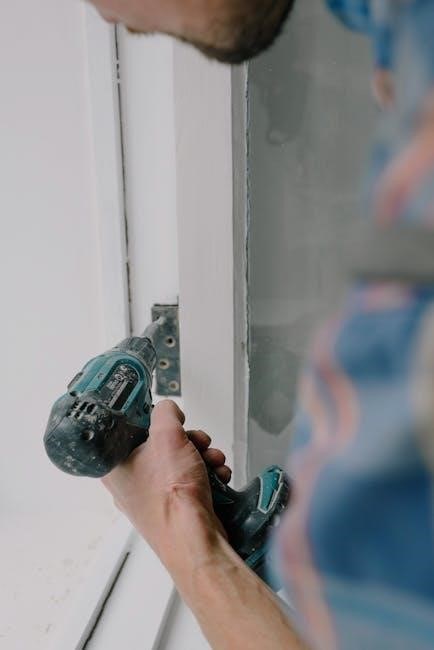
Begin by selecting a suitable indoor location‚ ensuring sufficient space for airflow and accessibility for maintenance. Carefully mark and drill mounting holes into the wall‚ utilizing appropriate anchors to support the unit’s weight securely.
Attach the mounting bracket firmly to the wall‚ ensuring it is level to prevent operational issues. Gently lift the indoor unit onto the bracket‚ verifying it locks into place correctly. Horizontal or vertical duct installation is possible‚ depending on your model and preference‚ with a maximum air temperature of 50°C.
Ensure all connections are tight and secure before proceeding. Consider the airflow capacity of 430 m3/h when positioning the unit‚ avoiding obstructions that could hinder performance. Double-check the bracket’s stability before continuing to the next installation step‚ prioritizing safety and proper function.
Connecting Refrigerant Lines
Prior to connecting refrigerant lines‚ ensure the system is completely depressurized and all valves are closed. Carefully flare and connect the refrigerant lines to both the indoor and outdoor units‚ utilizing appropriate fittings and tightening them securely to prevent leaks.
The process often involves discharging existing refrigerant‚ removing any remaining residue‚ and potentially replacing components like the compressor and filter. Proper handling of refrigerant is crucial; follow all safety guidelines and regulations.
Inspect all connections thoroughly for any signs of damage or looseness. Leak testing is essential after connection‚ utilizing appropriate methods to confirm a sealed system. Remember‚ a leak can compromise efficiency and potentially damage the compressor‚ so meticulous attention to detail is paramount.
Outdoor Unit Placement & Mounting
Select a location for the outdoor unit that provides adequate airflow‚ free from obstructions like shrubs or debris. Ensure the unit is level and mounted securely to a stable surface‚ capable of supporting its weight‚ minimizing vibration and noise.
Consider proximity to the indoor unit‚ minimizing the length of refrigerant lines for optimal efficiency. Protect the unit from direct sunlight and harsh weather conditions where possible‚ potentially using a weather shield.
Maintain sufficient clearance around the unit for servicing and airflow‚ adhering to the manufacturer’s specifications. Proper mounting prevents damage and ensures long-term reliability. Securely fasten all mounting brackets and check for stability before proceeding with refrigerant line connections.
Electrical Connections & Wiring
Before making any electrical connections‚ disconnect power at the main breaker to ensure safety. Verify the voltage and amperage requirements of the Aurus Mini Split match your electrical supply. Use appropriately sized wiring‚ following local electrical codes and regulations.
Connect the power supply to the designated terminals on the outdoor unit‚ ensuring secure connections. Proper grounding is crucial for safety and to prevent electrical interference. Double-check all wiring connections before restoring power‚ verifying polarity and tightness.

If issues arise‚ such as incorrect power connections or abnormal voltage‚ consult a qualified electrician. Damaged wiring or a faulty mainboard can also cause problems‚ requiring professional attention.

System Configuration & Testing
Following installation‚ proper system configuration and thorough testing are vital. This ensures optimal performance‚ efficiency‚ and reliable operation of your Aurus Mini Split.
Refrigerant Charging & Vacuuming
Proper refrigerant management is crucial for Aurus Mini Split performance. Begin by thoroughly vacuuming the system to remove air and moisture – a process essential for longevity and efficiency. This involves connecting a vacuum pump and achieving a deep vacuum‚ typically below 500 microns‚ before introducing refrigerant.
Refer to the unit’s specification sheet (available as a PDF) for the correct refrigerant type and charge amount. Overcharging or undercharging significantly impacts cooling capacity and can damage the compressor. Carefully weigh the refrigerant using a calibrated scale‚ adhering strictly to the manufacturer’s guidelines.
The installation process may require discharging existing refrigerant and replacing components like the compressor and filter‚ as detailed in some service guides. Always recover refrigerant responsibly‚ following environmental regulations. After charging‚ carefully check all connections for leaks using a refrigerant leak detector.
Initial System Test Run
Following installation and refrigerant charging‚ a comprehensive system test is paramount. Power on the Aurus Mini Split and verify the indoor and outdoor units initiate correctly. Observe the fan operation in both units‚ ensuring proper airflow direction and speed. Utilize the remote control to cycle through various operating modes – cooling‚ heating (if applicable)‚ and fan-only – to confirm functionality.
Monitor the system for unusual noises or vibrations‚ which could indicate installation errors or component issues. Check the temperature difference between the supply and return air to assess cooling or heating performance. The system boasts an airflow capacity of 430 m3/h‚ so verify this aligns with expectations.
Confirm smart control integration is functioning as expected‚ allowing temperature adjustments via your mobile device. Address any discrepancies immediately‚ referencing the user manual for troubleshooting guidance.
Remote Control Setup & Smart Control Integration
Begin by inserting batteries into the supplied remote control. Power on the Aurus Mini Split and use the remote to initiate pairing – consult the user manual for specific button sequences. Successful pairing allows full control over temperature settings‚ fan speed‚ and operating modes. Smart Control integration elevates convenience‚ enabling temperature adjustments via your mobile device.
Download the Aurus app from your app store and follow the on-screen instructions to connect your Mini Split to your home’s Wi-Fi network. Ensure your Wi-Fi signal is strong and stable for reliable connectivity. The integrated smart features offer remote access and scheduling capabilities.
Test the app’s functionality thoroughly‚ verifying remote control responsiveness and schedule adherence. Enjoy the benefits of a connected and comfortable indoor environment.

Troubleshooting Common Installation Issues
Addressing installation hiccups is crucial. Common problems include power supply issues‚ refrigerant leaks‚ or communication errors between units – refer to the manual for solutions.
Addressing Power Supply Problems
If your Aurus Mini Split fails to power on during installation‚ systematically check the electrical connections. First‚ verify the power source is active and supplying the correct voltage‚ as specified in the installation manual. Incorrect connections or abnormal voltage are frequent culprits.
Inspect the wiring for loose connections or damage‚ ensuring all wires are securely fastened to the terminals. A damaged power cord or faulty circuit breaker can also prevent operation. Furthermore‚ examine the main control board and noise filter for any visible signs of damage – these components are susceptible to power surges.
Consult the wiring diagram in the manual to confirm proper connections. If problems persist‚ a qualified electrician should be consulted to diagnose and rectify the power supply issue‚ ensuring safe and reliable operation of your Aurus Mini Split system.
Dealing with Refrigerant Leaks
Discovering a refrigerant leak during or after Aurus Mini Split installation requires immediate attention. The process involves a comprehensive six-step procedure: first‚ discharge any existing refrigerant‚ then meticulously remove all remaining refrigerant from the system. Next‚ identify and replace compromised components‚ crucially including the compressor and filter drier.
Following component replacement‚ a thorough vacuuming of the system is essential to eliminate moisture and non-condensables. Subsequently‚ recharge the system with the precise refrigerant type and amount specified in the unit’s documentation. Leak detection methods‚ such as electronic leak detectors or bubble solutions‚ should be employed to pinpoint the leak’s origin.
If you are not a certified HVAC technician‚ do not attempt to handle refrigerant. Contact a qualified professional for safe and compliant leak repair and refrigerant handling.
Resolving Communication Errors
Communication errors between the indoor and outdoor units of your Aurus Mini Split can disrupt operation. Potential causes include incorrect power connections‚ abnormal input voltage‚ or damage to the main board or noise filter. Begin by verifying all power connections‚ ensuring they are secure and correctly wired according to the installation manual.

Next‚ check the input voltage to confirm it falls within the unit’s specified range. Fluctuations or inconsistencies can trigger communication failures. If the voltage is stable‚ inspect the main board and noise filter for any visible signs of damage‚ such as burnt components or loose connections.
If issues persist‚ consult a qualified HVAC technician for advanced diagnostics and component replacement. Attempting repairs without proper training can void the warranty and pose safety risks.
Aurus Mini Split Features & Specifications
Aurus Mini Splits boast AHRI certification‚ guaranteeing efficiency and reliability. They offer quiet operation‚ overheating protection‚ and a substantial 430 m3/h airflow capacity.
AHRI Certification & Efficiency Ratings
Aurus Mini Split systems proudly hold AHRI (Air Conditioning‚ Heating‚ and Refrigeration Institute) certification‚ a crucial indicator of performance and reliability. This certification signifies that the unit’s cooling and heating capacities have been independently tested and verified to meet stringent industry standards. Choosing an AHRI-certified system‚ like Aurus‚ guarantees you’re receiving the stated performance levels‚ avoiding potential discrepancies between advertised specifications and actual operation.
Efficiency is a cornerstone of the Aurus design. While specific SEER (Seasonal Energy Efficiency Ratio) and HSPF (Heating Seasonal Performance Factor) ratings vary by model‚ Aurus consistently delivers competitive energy efficiency. This translates to lower energy bills and a reduced carbon footprint‚ making it a smart investment for both your wallet and the environment. Detailed efficiency ratings for each model are readily available on the product specification sheets and through the Aurus website‚ ensuring transparency and informed decision-making.
Quiet Operation & Noise Levels
Aurus Mini Split systems are engineered for remarkably quiet operation‚ enhancing indoor comfort without disruptive noise. Utilizing advanced fan blade designs and optimized airflow pathways‚ Aurus minimizes sound emissions‚ creating a tranquil living or working environment. This is particularly beneficial for bedrooms‚ offices‚ and other spaces where silence is valued. The low decibel operation ensures the system operates discreetly in the background‚ without interfering with daily activities.
Specific noise levels vary depending on the model and operating mode (cooling‚ heating‚ fan speed). However‚ Aurus consistently achieves impressively low sound pressure levels‚ often falling below 30dB for indoor units. Outdoor unit noise is also carefully managed through vibration dampening technology and sound-reducing enclosures. Detailed noise level specifications are available in the product documentation‚ allowing you to select a model that perfectly suits your sensitivity to sound and the specific requirements of your space.
Overheating Protection & Airflow Capacity
Aurus Mini Split systems incorporate robust overheating protection mechanisms‚ safeguarding both the unit and your property. These systems continuously monitor internal temperatures and automatically adjust operation or shut down if excessive heat is detected‚ preventing potential damage or hazards. This feature ensures reliable and safe performance‚ even during prolonged operation in demanding conditions.
Airflow capacity is a crucial factor in achieving optimal comfort and efficiency. Aurus units are designed to deliver substantial airflow‚ measured in cubic meters per hour (m³/h)‚ ensuring even temperature distribution throughout the room. The 36‚000 BTU model boasts an airflow capacity of 430 m³/h‚ effectively circulating air for rapid cooling or heating. Proper installation‚ including correct ductwork configuration (horizontal or vertical)‚ is essential to maximize airflow and realize the full benefits of the system’s cooling and heating capabilities.

Maintenance & Long-Term Care
Regular filter cleaning and replacement are vital for maintaining optimal performance and air quality. Professional servicing is recommended annually to ensure longevity and efficiency.
Filter Cleaning & Replacement
Maintaining clean filters is paramount for your Aurus Mini Split’s efficiency and air quality. Dust and debris accumulate quickly‚ restricting airflow and forcing the unit to work harder‚ potentially leading to higher energy bills and reduced lifespan. Regular inspection – ideally monthly – is crucial.
To clean the filters‚ gently remove them from the indoor unit. Vacuum the filters to remove loose particles‚ then wash them with mild soap and lukewarm water. Ensure the filters are completely dry before reinstalling them to prevent mold growth and damage to the unit.

Replacement frequency depends on usage and environmental conditions. Typically‚ filters should be replaced every 3-6 months. Consider more frequent replacements if you have pets‚ allergies‚ or live in a dusty environment. Using genuine Aurus replacement filters guarantees optimal performance and compatibility with your system.
Professional Servicing Recommendations
While Aurus Mini Splits are designed for longevity‚ periodic professional servicing is vital for sustained optimal performance. Annual maintenance by a qualified HVAC technician ensures all components are functioning correctly and identifies potential issues before they escalate into costly repairs.
Recommended services include a comprehensive system inspection‚ refrigerant level check‚ coil cleaning‚ and electrical connection verification. Technicians can also perform a detailed airflow assessment and ensure proper drainage. Ignoring professional servicing can void your warranty and compromise the unit’s efficiency.
Specifically‚ request a check of the compressor‚ fan motors‚ and wiring. A technician can also accurately diagnose and address any unusual noises or performance declines. Maintaining service records is crucial for warranty claims and resale value. Prioritize qualified technicians experienced with Aurus systems.